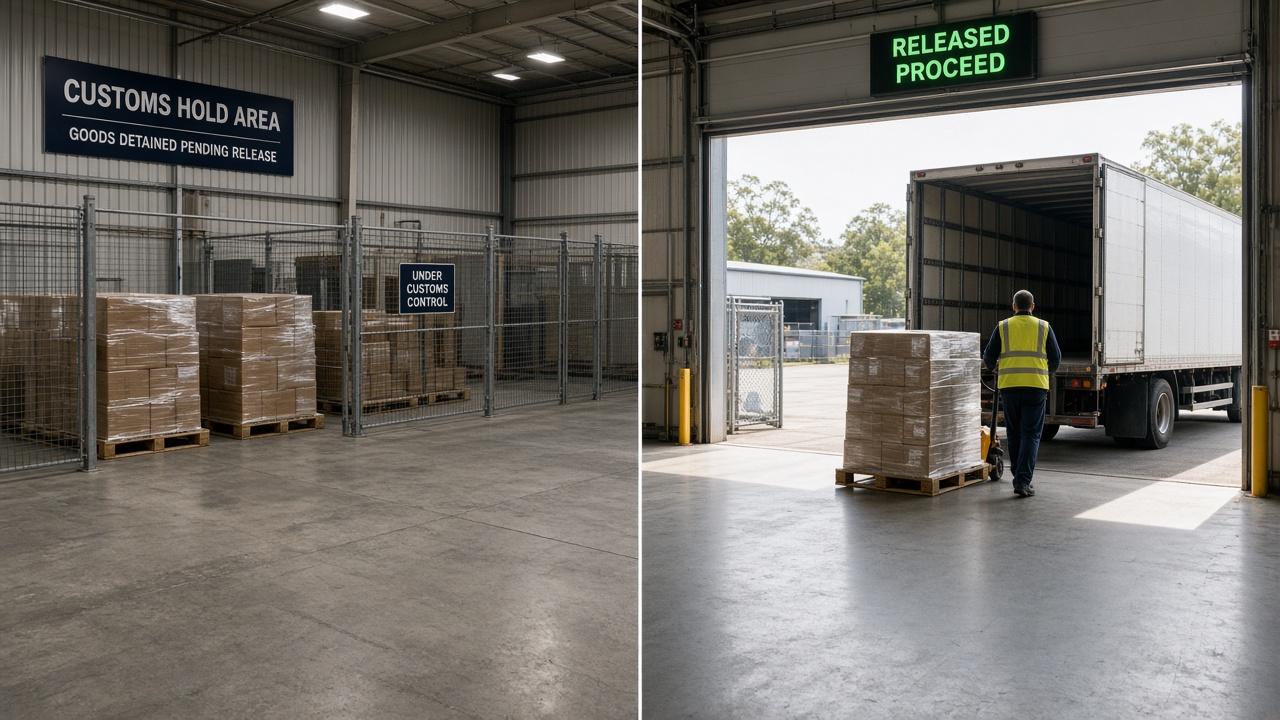
Customs compliance remediation
Client profile: General merchandise importer with rapid SKU growth.
Focus: Classification, valuation, and record alignment
Challenge
Historical entries used broad tariff lines that underpaid duty but increased audit risk. Supplier invoices bundled tooling and spare parts inconsistently, complicating valuation. The client received an Australian Border Force information request and needed orderly remediation without stopping live imports.

Approach
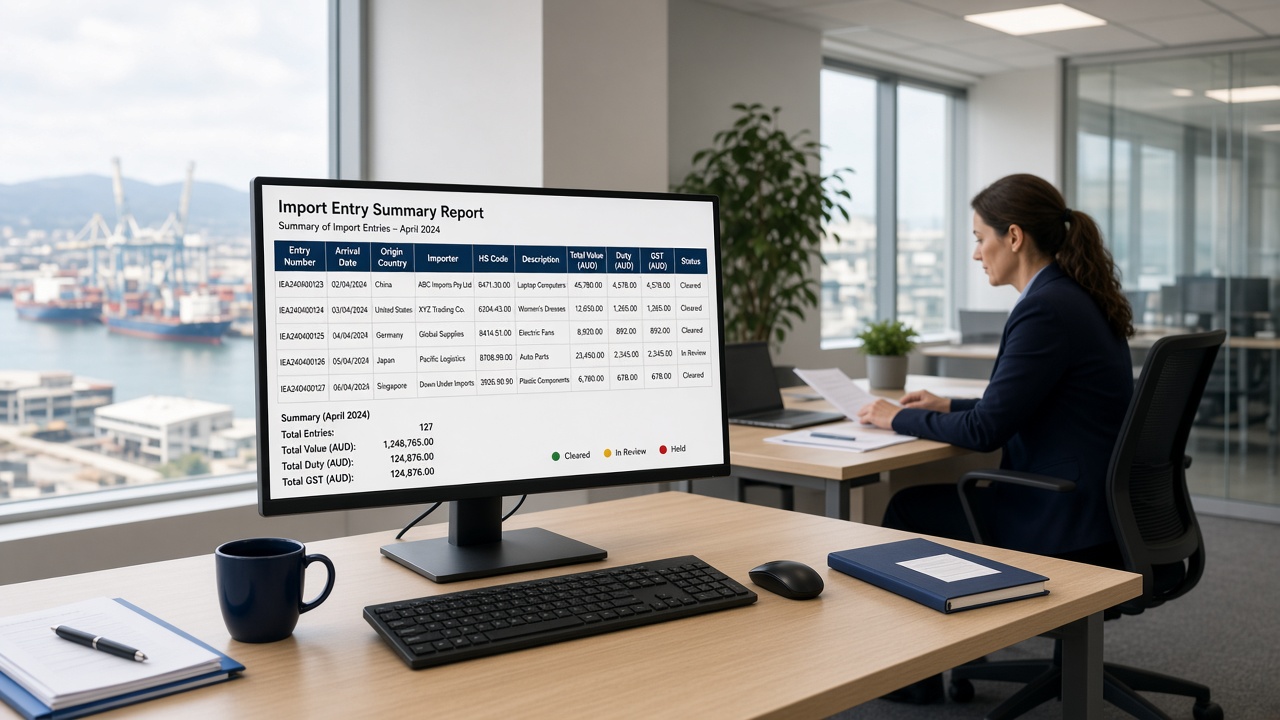
RKM Logistics coordinated a licensed broker to reclassify representative SKUs, implemented a master data sheet tying product codes to HS lines, and reviewed three months of supplier invoices for assists and royalties. Prospective entries were lodged under the corrected matrix while voluntary disclosure discussions proceeded with professional advice.
Outcome
Live supply continued without container holds. Duty adjustments were quantified with supporting worksheets; the client adopted approval gates for new SKUs before first shipment.
Lessons
Compliance remediation is a data discipline problem as much as a legal one. Importers scaling quickly should classify before marketing launches, not after revenue appears on balance sheets.
Timeline and risk
Remediation ran in parallel with live imports: prospective entries used corrected HS lines while historical entries were reviewed in batches. That approach avoided stock-outs that a hard stop would have caused for fast-moving SKUs.
Master data and ongoing control
New SKUs now pass a classification gate before first purchase order is sent overseas. Finance reconciles declared values to supplier invoices monthly; variances above an agreed threshold trigger broker review before the next entry.
Voluntary disclosure discussions proceeded with external professional advice; RKM Logistics supplied chronologies and corrected entry worksheets but did not provide legal determinations. Live supply continued because prospective entries were already aligned to the corrected matrix.