Ocean freight — import and export coordination
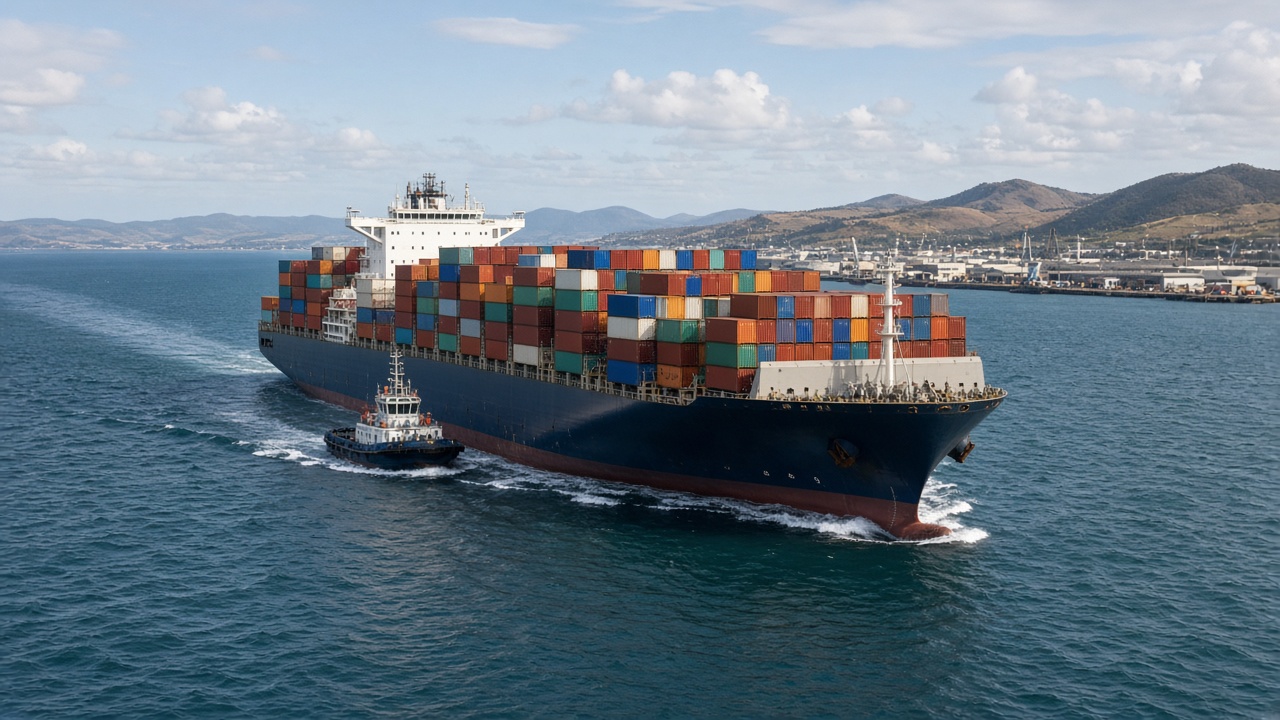
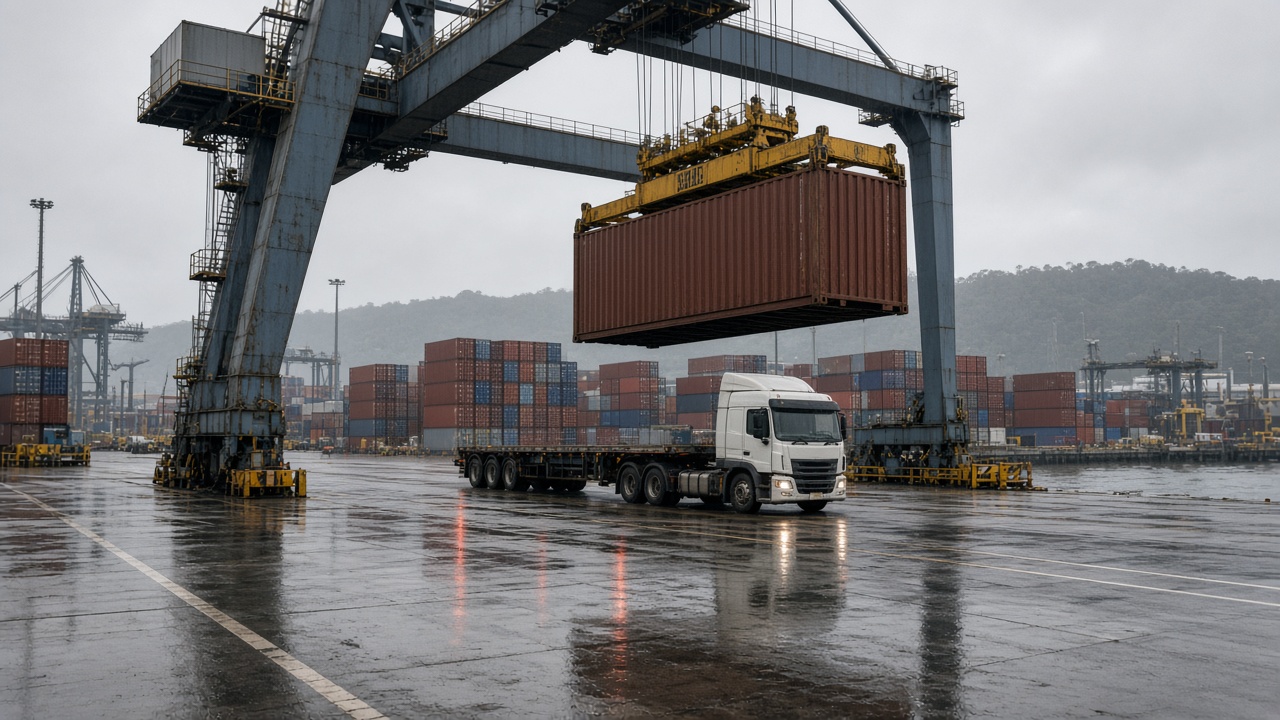
Ocean freight remains the backbone of international trade for bulk, heavy, and containerised goods. RKM Logistics books and manages sea freight on your behalf, aligning factory readiness, container availability, vessel schedules, and Port of Brisbane (or other Australian port) operations with your inland transport and customs timelines.
Full container load (FCL)
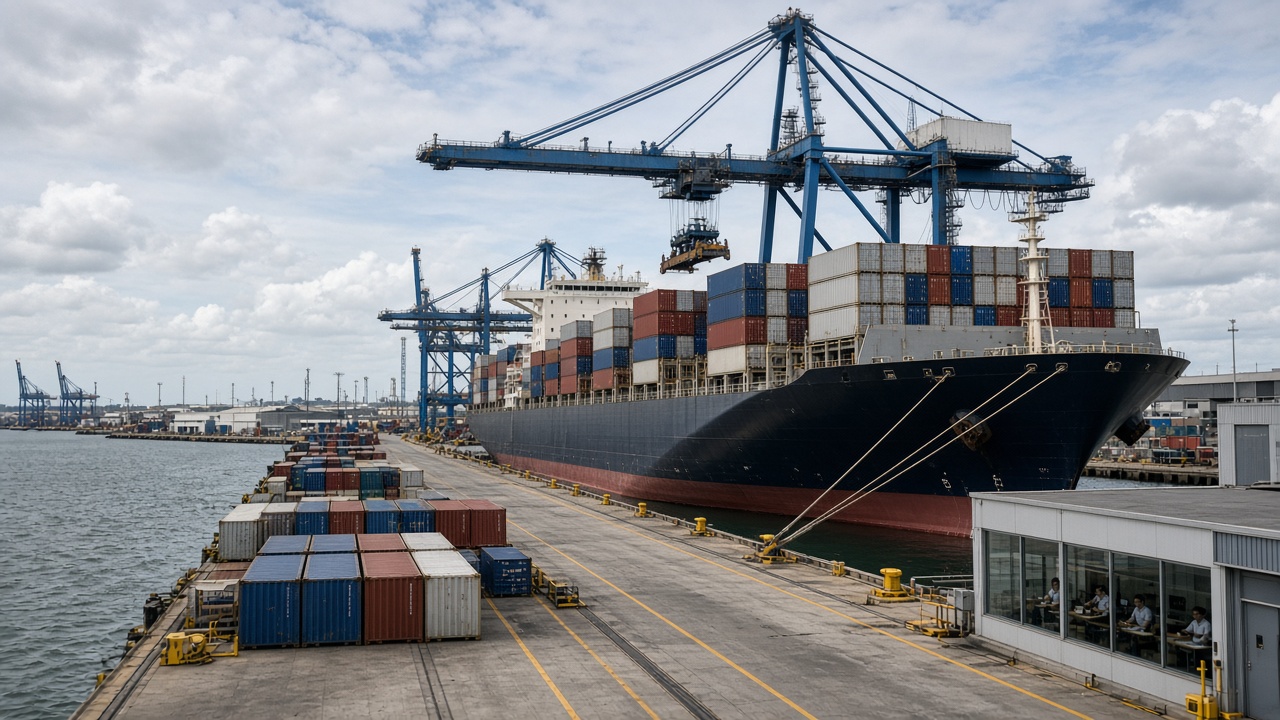
FCL suits shippers with enough volume to fill or predominantly use a container. We arrange empty release, cut-off compliance, port delivery or receival, and de-hire from depots. Equipment types include general purpose, high cube, open top, flat rack, and refrigerated units when temperature control is required.
- Export: empty pickup, load at your site or pack point, gate-in, export documentation, and onboard confirmation
- Import: arrival notice, customs and quarantine clearance coordination, transport to your door, and empty return
Less than container load (LCL)
LCL consolidates your cargo with other shipments in a shared container. It is cost-effective for smaller volumes but requires careful attention to CFS handling, deconsolidation schedules, and additional transit days. RKM Logistics selects consolidators with reliable Brisbane deconsolidation practices and clear surcharge policies.
Documentation and compliance
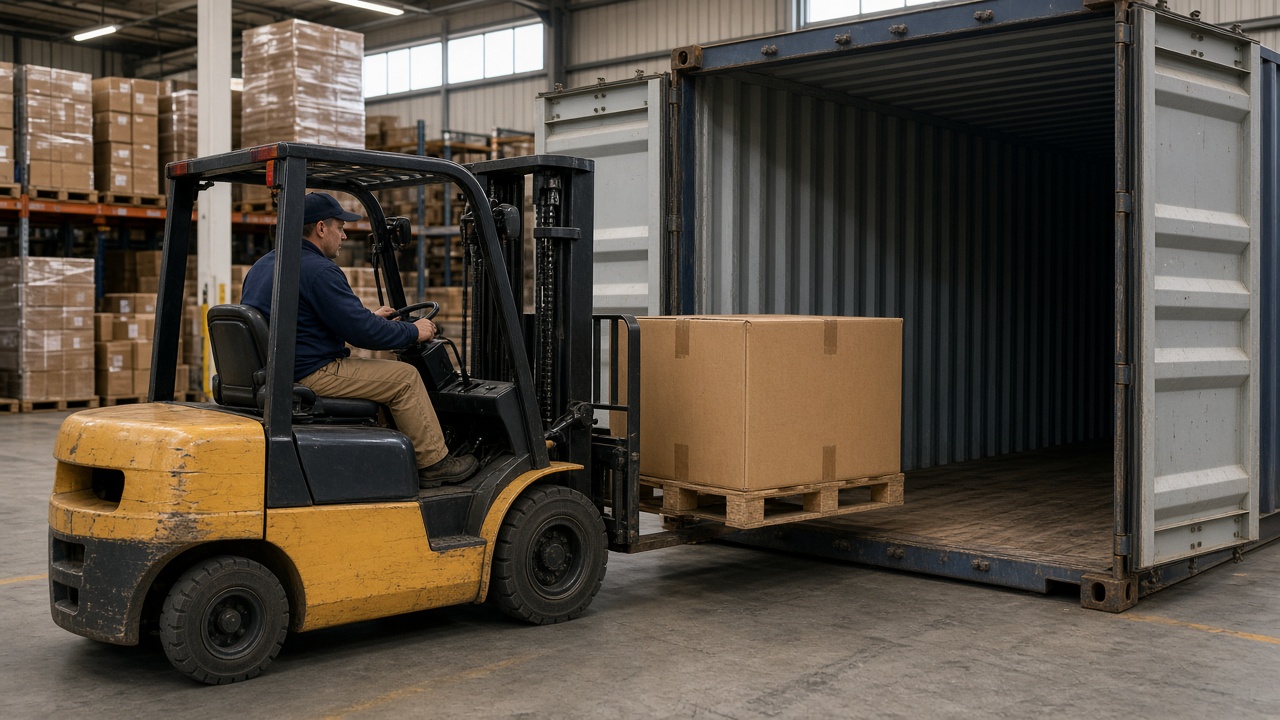
Sea freight documentation includes commercial invoice, packing list, bill of lading or seaway bill, and any certificates required by destination authorities. We verify consistency across documents before lodgement, reducing amendments that delay release. For regulated products, we coordinate additional declarations and inspections.
Carrier and routing choices
We work with multiple shipping lines and NVOCC partners to offer routing options — direct strings versus transshipment hubs — with transparent trade-offs. Seasonal congestion, blank sailings, and equipment imbalances are communicated when they affect your booking.
- Quote valid for stated period with currency and surcharge basis
- Booking confirmation with vessel, voyage, and cut-off dates
- Shipping instructions submitted accurately to avoid manifest mismatches
- Arrival management and delivery scheduling after clearance
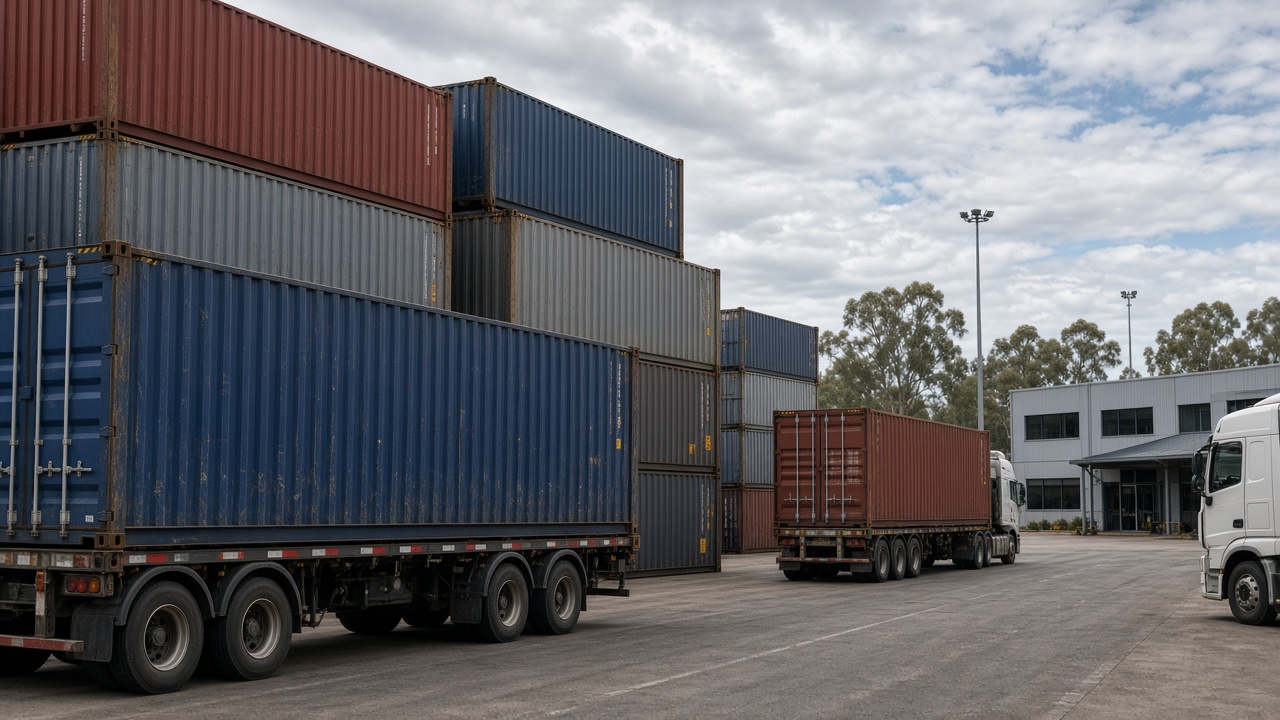
If you are exporting Queensland manufactured goods or importing stock for national distribution, RKM Logistics ocean freight service provides structured management from quote to empty container return.
Incoterms and responsibility boundaries
EXW, FOB, CIF, DDP, and other Incoterms allocate cost and risk between buyer and seller. RKM Logistics clarifies which legs we arrange under your chosen term and which obligations remain with your supplier or customer overseas. Misunderstanding Incoterms is a frequent source of unexpected charges; we map responsibilities in writing at booking stage.
Insurance for ocean transit may be arranged through your broker or via cargo insurance products we facilitate. We explain coverage triggers — general average, warehouse-to-warehouse scope, and excluded commodities — so you can decide consciously rather than assuming carrier liability covers full replacement value.
Equipment and seasonal planning
Peak season equipment availability affects FCL and LCL alike. We advise booking windows based on supplier ready dates and Port of Brisbane receival patterns, not only vessel marketing schedules. Rollings are communicated with rebooking options and revised ETA impacts on inland transport.
Deconsolidation throughput at CFS partners is monitored during congestion periods so LCL clients receive realistic delivery forecasts rather than generic vessel arrival dates.