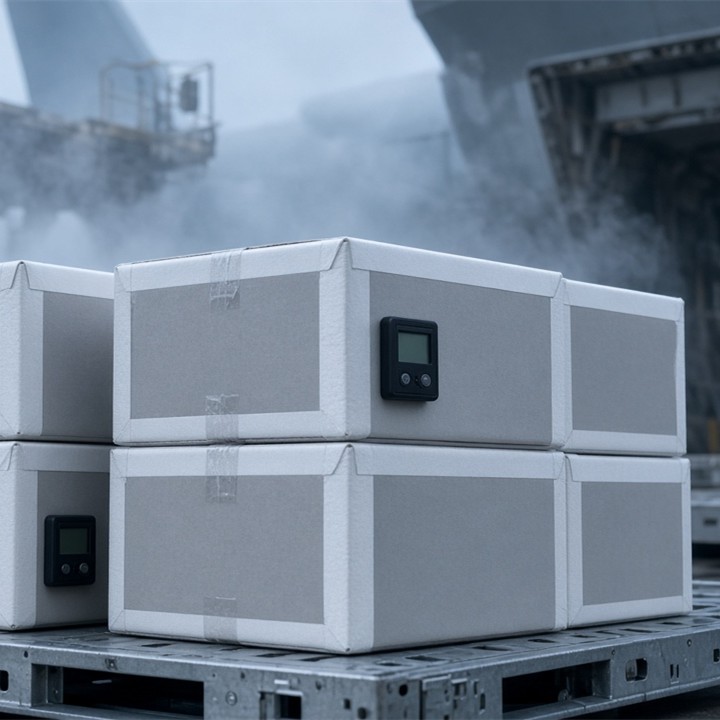
Cold chain air freight
Client profile: Healthcare distributor importing temperature-sensitive inputs.
Mode: Air freight via Brisbane Airport · Season: Summer peak risk management
Challenge
Prior forwarders treated active-container shipments like general cargo, exposing product to tarmac delays during afternoon heat. One excursion triggered a costly write-off and regulatory notification. The client needed provable temperature custody and faster escalation when flights truncated.
Approach
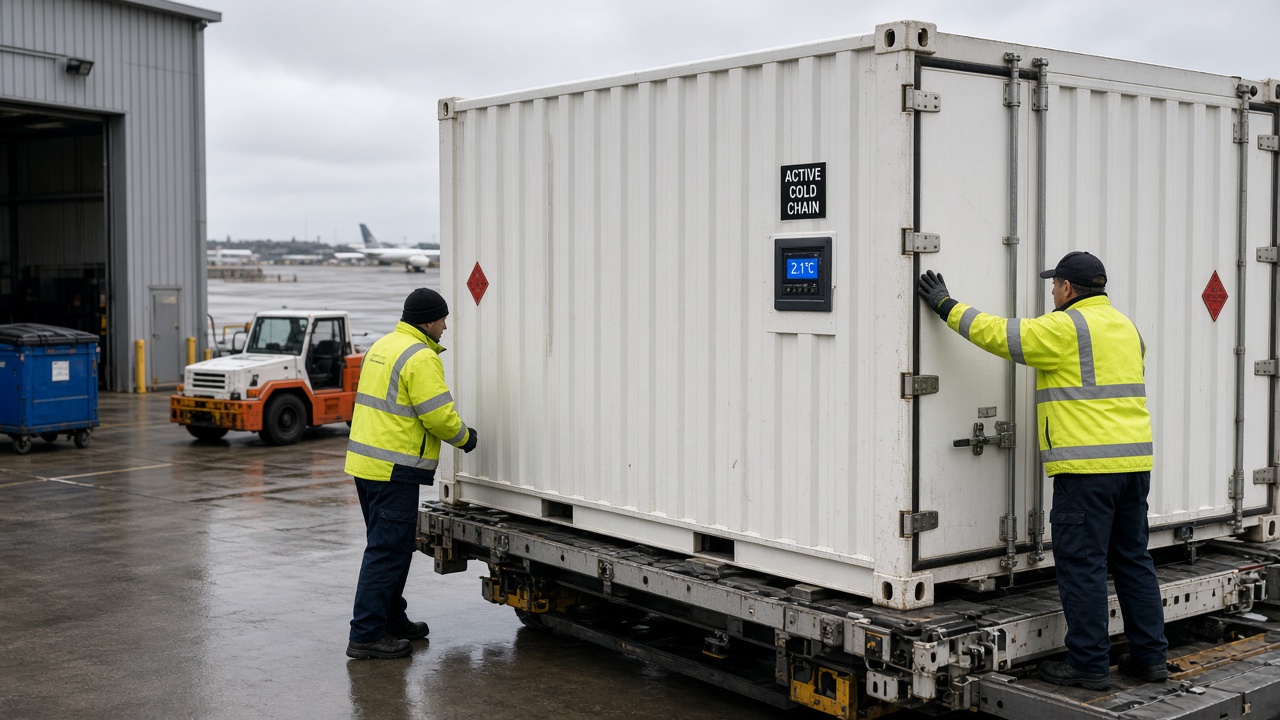
RKM Logistics selected handling agents with monitored cool rooms, booked morning arrivals where possible, and pre-approved backup flights before departure day. Milestone emails included acceptance timestamps and container serial numbers. Customs brokerage was pre-lodged to minimise post-arrival dwell.
Outcome
No excursions were recorded across twelve consecutive summer shipments. Average door-to-door time improved by one business day versus the client’s prior provider, primarily by eliminating document holds at arrival.
Lessons
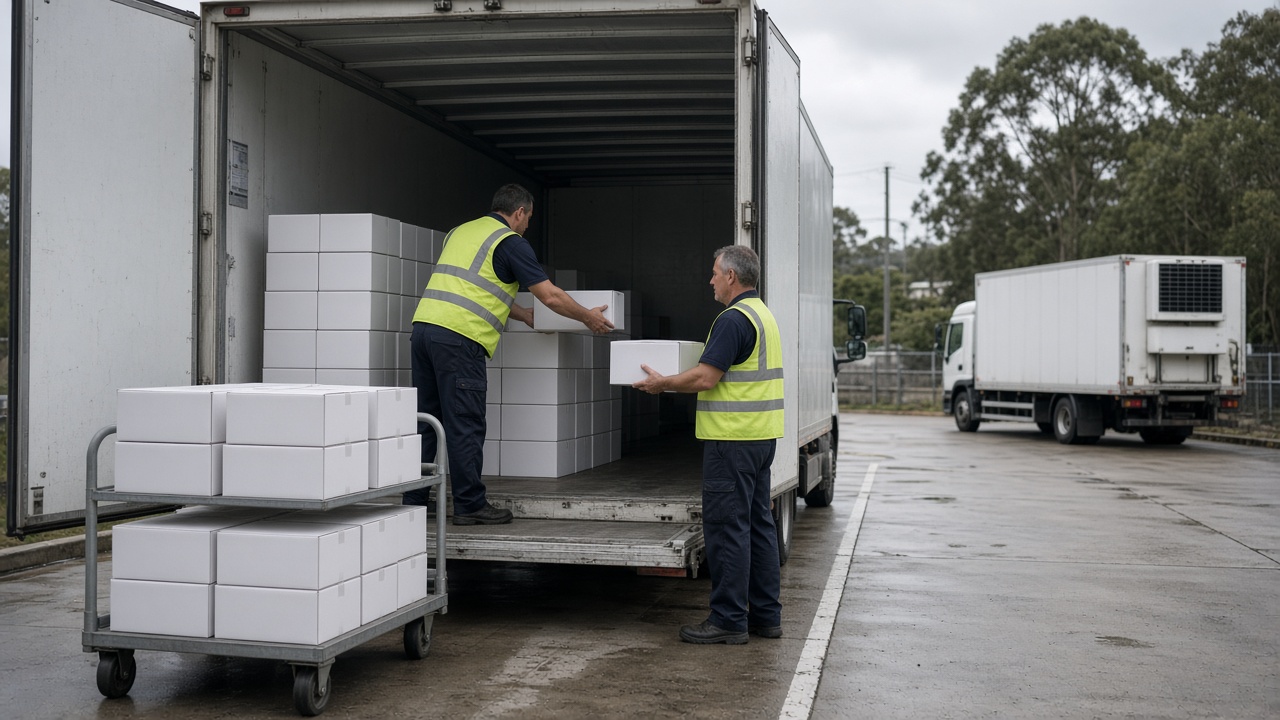
Cold chain success depends on airport ground handling quality, not airline brand alone. Clients should share stability data and acceptable temperature bands upfront so contingency plans are authorised before exceptions occur.
Seasonal planning
Summer schedules prioritised morning flight arrivals and reduced tarmac exposure. Client quality teams received milestone emails with acceptance timestamps so internal release decisions did not wait on end-of-day summaries.
Validation and escalation
Container pre-cooling logs and serial numbers were archived with each movement for quality audit. When airlines truncated connections, pre-approved backup routings activated within two hours using client-authorised temperature bands and maximum additional transit time.
Brokerage lodgement before arrival removed one full business day from average clearance in most weeks. Ground handler performance was reviewed quarterly; underperforming handlers were replaced rather than tolerated because of brand familiarity.
Regulatory context
Temperature-sensitive healthcare inputs require traceable custody. We document handoffs between airline, ground handler, customs broker, and road carrier so quality teams can reconstruct timelines if questions arise — independent of whether an excursion occurred.