Incoterms for growing importers
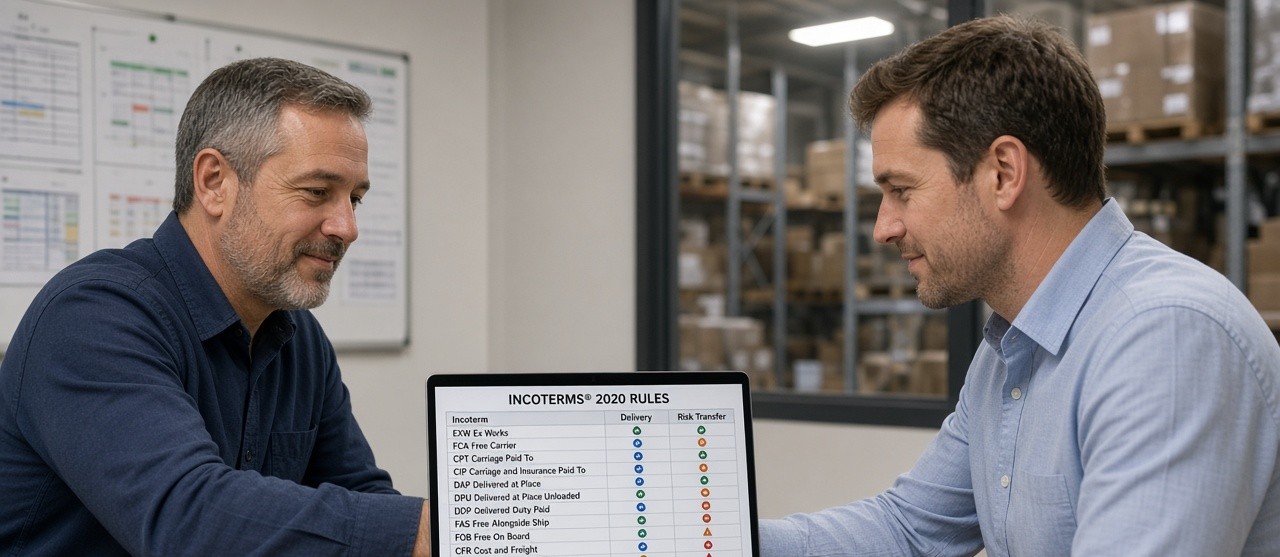
Incoterms allocate cost and risk between buyer and seller. Many growing importers remain on EXW or FOB arrangements long after volume justifies DAP or DDP structures that give visibility over inland and customs legs. RKM Logistics often renegotiates incoterms with clients when surprise charges appear at Brisbane terminals.
Under EXW, the buyer manages export clearance overseas — a gap when the supplier lacks export experience. Under FOB, ocean freight may be unmanaged until too late to secure equipment during peak season. Each term is valid when consciously chosen.

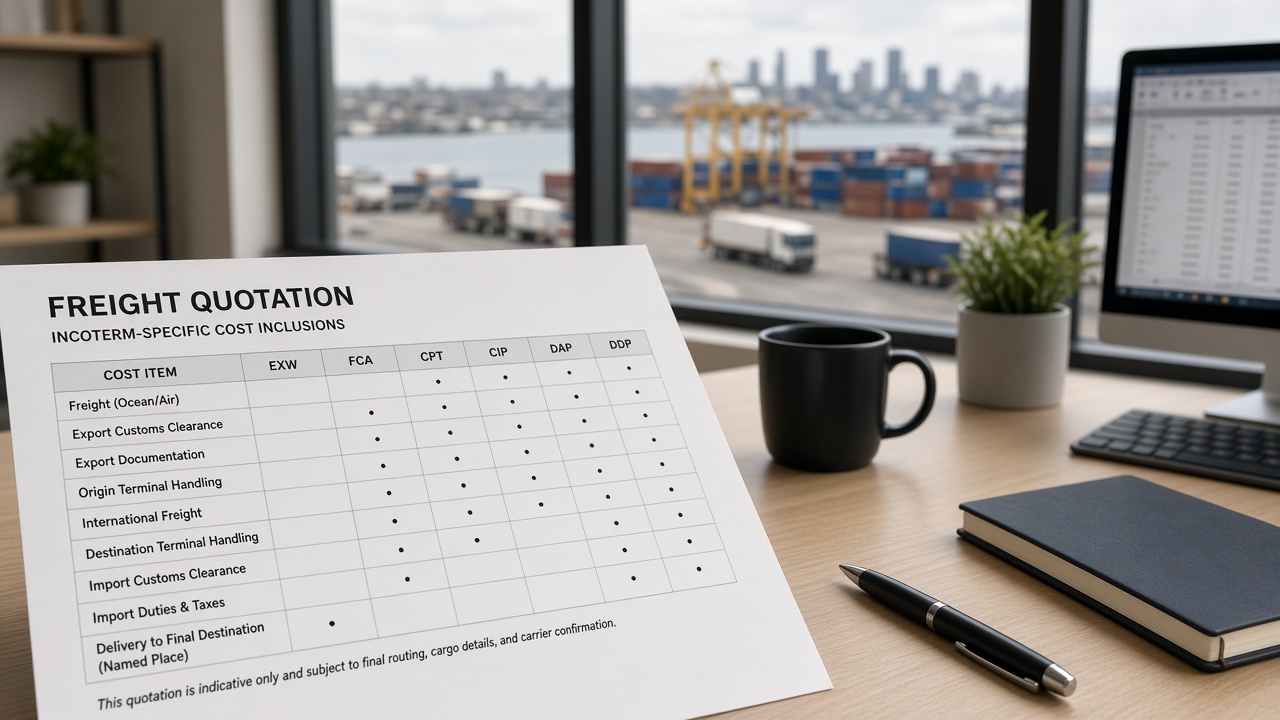
We map responsibilities in writing at quotation stage: who insures, who lodges export and import entries, who pays terminal charges, and who bears delay risk at each leg. That map prevents disputes when invoices arrive from multiple parties.
Transitioning to DAP or DDP does not eliminate compliance obligation — it concentrates coordination with a forwarder who can see the whole chain. For Queensland receivers, that often simplifies landed cost forecasting.
Review incoterms when you change suppliers, add new distribution channels, or shift from sample imports to containerised volume. A term that minimised supplier friction at prototype stage may expose you to unmanaged terminal and customs cost at scale.
Questions to ask before renewing supplier terms
- Who can realistically lodge export clearance in the supplier’s country?
- Are we insured for ocean leg and who files claims?
- Who pays terminal charges at Brisbane if delays occur?
- Does our finance team see landed cost the same way operations does?
Revisit incoterms when volume, distribution channels, or supplier locations change — not only when a dispute invoice arrives.
Worked example: FOB to DAP
A SEQ importer on FOB Asian port terms may discover that local charges, export clearance gaps, and unmanaged ocean booking expose them to peak-season equipment shortages. Transitioning to DAP Brisbane (with RKM Logistics coordinating) concentrates visibility: one quotation line shows ocean, insurance options, import brokerage coordination, and road delivery assumptions. Finance can compare true landed cost against EXW quotes that excluded terminal and customs variables.
DAP does not remove your compliance obligations as importer — it aligns execution with a coordinator accountable for the chain. Document the incoterm on purchase orders, invoices, and transport instructions consistently; mixed terms across SKUs create broker queries and payment delays.